Plumbing Updates in Older Homes
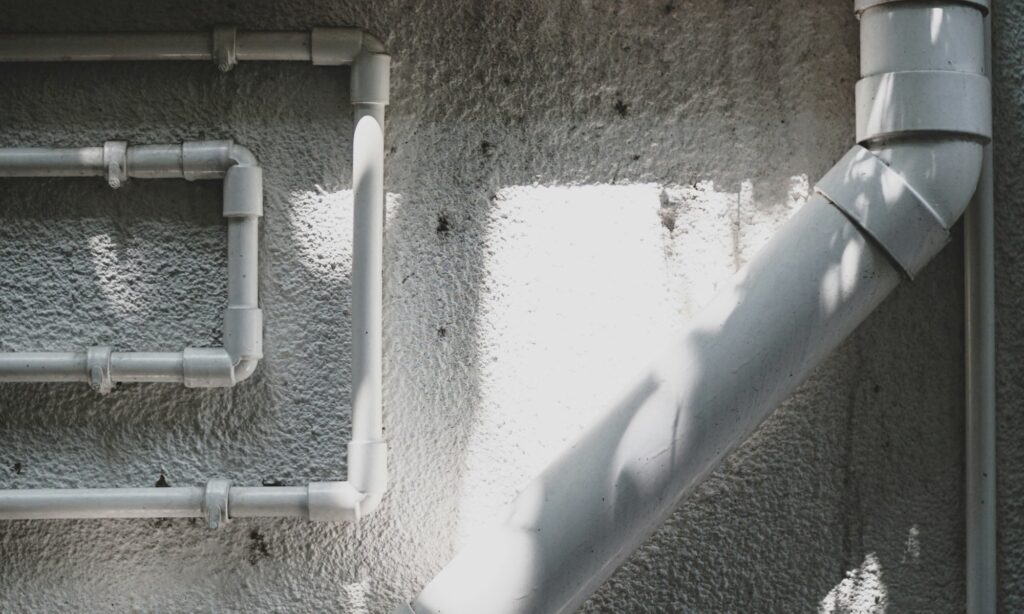
Planning plumbing updates older homes in Georgia? Plumbing is the system homeowners think about least until a leak, low pressure or a failing pipe forces the issue. A remodel is the best chance to inspect and update it while walls and floors are open.
This guide explains common issues in older homes and how to decide what to replace. A licensed plumber should evaluate your specific house.
In this guide
What lives behind the walls
Older homes may contain galvanized steel, copper, cast iron drains, early plastic or other materials depending on the decade. Each ages differently, so knowing what you have guides decisions.
Signs of trouble
Low pressure, discolored water, frequent clogs, slow drains, stains, damp cabinets or unexplained increases in water bills suggest hidden problems. Do not wait for a leak to open the wall.
Supply lines
Galvanized pipes corrode inside and reduce flow. Some materials used in certain eras have known failure histories. If you see them, ask a plumber about repiping while walls are open.
Drains and venting
Old cast iron drains can crack or corrode, and incorrect venting causes gurgling and slow drainage. A camera inspection can reveal hidden conditions in main lines.
Water heaters
Tank heaters last a limited number of years. If yours is old, consider replacement during the remodel. Tankless units need proper gas, venting and electrical planning.
Fixtures and shutoffs
Install accessible shutoff valves at sinks, toilets and appliances. Replace worn angle stops and braided lines so small repairs do not require shutting down the whole house.
Moving fixtures
Relocating a sink or toilet affects supply, drains, vent and floor structure. Moves are possible, but they cost more than keeping fixtures where they are.
Pressure and water quality
Excess pressure damages fixtures; low pressure frustrates daily use. A regulator and testing can help. If water quality is a concern, a test and filtration discussion may be worthwhile.
Permits and inspection
Plumbing changes usually require permits and inspections. Keep walls open until rough-in passes, and keep records.
Leak protection
Consider leak sensors, an automatic shutoff valve and drain pans under washers and water heaters. They are small additions that can prevent major damage.
Planning with your remodel
Do plumbing rough-in before drywall and flooring. Ask for a clear scope and a plan for temporary water shutoffs.
Planning essentials for any remodeling project
Whatever you are building, a handful of habits keep projects on track. Define your goals and rank them as must-have, nice-to-have and later. Set a budget that includes a contingency for hidden conditions, because walls often reveal surprises. Gather two or three itemized estimates for the same scope so differences are easy to see, and compare what is included rather than only the total.
Make selections early
Cabinets, windows, tile, flooring and fixtures can have long lead times. Choosing them before construction starts keeps trades from waiting and prevents rushed compromises. Keep a simple list with product names, colors, model numbers and delivery dates, and share it with your contractor so everyone works from the same information.
Communicate in writing
Agree on how you will receive updates and how changes will be handled. When scope changes, ask for a written change order that states the cost and schedule effect before work proceeds. Keep photos of the work before walls close so you know where wiring and plumbing run, and store contracts, permits, warranties and product information together for future reference.
Prepare your household
Remodeling brings dust, noise and limited access to rooms. Set up temporary arrangements for cooking or bathing if needed, protect belongings, plan for pets and children and agree on working hours and daily cleanup. A little preparation before demolition makes the weeks that follow easier for everyone in the house.
Finish with a walkthrough
As the project ends, walk each room with your contractor in good light. Note anything incomplete or not as specified and agree on a punch list with dates. Hold final payment until the list is complete and you have warranties and care instructions in hand.
How a project with Juniper & Forge works
Every project starts with a free in-home estimate. We walk through the space, listen to what is not working and look at structure, systems and finishes. We then outline scope options, explain the main cost drivers and describe the steps that follow. After you review a written, itemized estimate, we handle permits, order long-lead materials, schedule trades and keep you updated through construction. A final walkthrough and punch list close the project. Our process page describes each stage.
Common mistakes to avoid
The most frequent problems are choosing on price alone, skipping the contingency, changing the scope after work begins, leaving selections until the last minute and assuming allowances will cover premium finishes. Another is failing to ask how the schedule handles inspections and deliveries. Awareness of these pitfalls makes them easy to avoid, and a clear written scope removes most of the risk.
What to bring to your estimate
Photos of the space, a list of problems you want solved, any inspiration images, plans or HOA documents you have and your target timeline and budget range. If you already have other estimates, bring them and we will help you compare scope line by line. This preparation takes a few minutes and makes the visit much more useful.
Care, warranty and records after the project
When the work is finished, ask for care instructions for every surface and product, the names and colors of finishes for future touch-ups and the warranty terms for materials and workmanship. Keep contracts, change orders, permits, inspection records and photos together with your home documents. Schedule seasonal checks, such as cleaning gutters, inspecting caulk and sealants and testing alarms, so small issues are fixed before they grow. Good records also make future projects and resale simpler.
Choosing the right contractor
Look for clear written scopes, appropriate insurance, references you can contact and a willingness to explain tradeoffs honestly. Compare bids on the same scope, ask who will be on site and confirm how changes and delays are handled. Our guide to choosing a remodeling contractor lists more questions worth asking before you sign.
Repipe options explained
Copper and cross-linked polyethylene are common repipe materials. Each has trade-offs in cost, installation method and wall access. Ask your plumber to explain which suits your home and how many walls will be opened.
Cast iron and slab concerns
Homes with cast iron drains or slab foundations may hide issues beneath floors. A camera inspection can reveal cracks or root intrusion before you finish new floors.
Hose bibs and outdoor lines
Exterior faucets, irrigation backflow devices and underground lines should be checked and winterized for cold snaps, which do occur in north Georgia.
Budget and phasing
Replace what is failing first, group plumbing work with other rough-in tasks and ask for itemized pricing so you can phase upgrades sensibly.
Choosing a plumber
Ask for licensing, insurance and references, and request a written scope that identifies materials, fixtures, permits and the plan for temporary shutoffs. Compare scope, not just price.
Noise and efficiency
Insulating drain lines, adding pressure-balancing valves and choosing quiet fixtures improve everyday comfort. These small details are easiest before walls are closed.
Final thought
Fix what is failing, protect against leaks and keep records of every change. A little planning now prevents emergency repairs later.
Documentation
Keep a sketch or photos of new pipe routes before drywall closes so future repairs are simple.
Questions to ask before you hire for plumbing updates older homes
- What exactly is included in the written scope, and what is excluded?
- Which items are allowances, and what happens if my choices cost more?
- Who pulls permits and schedules inspections?
- How will changes be priced and approved in writing?
- Who supervises the work day to day, and how will you update me?
- What warranty applies to workmanship and to materials?
How cost and schedule are shaped
Cost for plumbing updates older homes depends on scope, size, materials, the complexity of the work and the condition of the existing home. Hidden conditions such as old wiring, moisture damage or framing surprises can change a budget, so a contingency is wise. Schedule depends on design time, permit review, material lead times and weather for exterior work. Ask for itemized pricing and a written schedule, and read our cost guide and timeline guide for the main drivers.
Permits and approvals
Many remodeling projects need permits and some neighborhoods require homeowners association approval. Requirements vary by city and county, so confirm what applies to your address before work starts. Our permits guide explains the basics for Acworth and Cobb County.
Frequently asked questions
Should I repipe during a remodel?
If pipes are failing or limited in flow, it is often wise while walls are open.
Can fixtures be moved?
Often, with added cost and structural checks.
How long is water off?
Usually hours; ask for advance notice.
Related pages
Request an estimate
Request a free in-home estimate or call (470) 847-9076. We will review your home, listen to your goals and explain options and next steps.
Ready to plan your project?
Free in-home estimate — call (470) 847-9076, or send a request online.
Request an estimateCall (470) 847-9076