Choosing Flooring for Georgia Homes
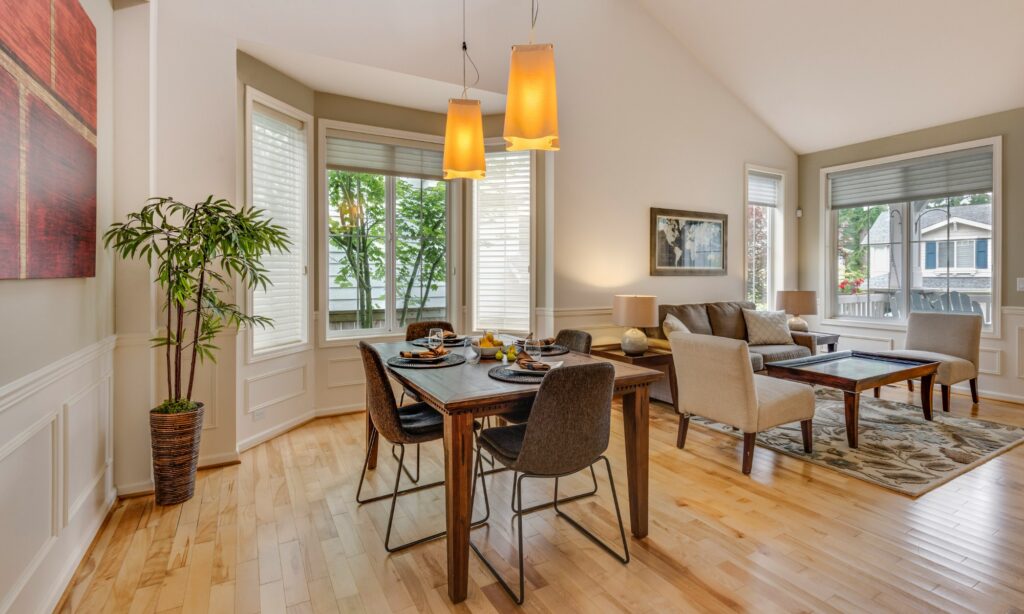
Planning flooring for georgia homes in Georgia? Flooring is the surface you live on every day, and in Georgia it has to handle humidity, heat, pets, children and the occasional spill. The right choice depends on the room, the subfloor, your budget and how you use the space, not on a single best material.
This guide walks Acworth homeowners through the main flooring families, the questions to ask about each and the preparation work that decides whether a floor lasts.
In this guide
Start with how each room is used
Kitchens, entries and bathrooms see water and grit. Bedrooms see bare feet and furniture. Basements sit near moisture. List the rooms, note the traffic and decide how much maintenance you will accept. A floor that photographs well but scratches under a dog or fades in strong sun will disappoint, so match the material to the life of the room before you fall for a sample.
Hardwood and engineered wood
Solid hardwood is a classic that can be refinished several times, but it moves with humidity and is a poor fit below grade. Engineered wood has a real wood surface over a stable core and handles seasonal movement better, which suits many Georgia homes. Ask about wear layer thickness, finish durability, how the floor will be fastened and whether your subfloor is flat enough. Acclimating the planks before installation prevents gaps and cupping later.
Luxury vinyl plank and tile
Luxury vinyl plank is popular because it resists water, feels warm and handles busy households. Quality varies widely, so compare wear layer, core construction and warranty terms. Porcelain and ceramic tile are durable, water-resistant and easy to clean, but they are hard and cold underfoot and need a flat, stable base and good grout work. Both can suit kitchens, baths and basements when the installation is done carefully.
Carpet, laminate and natural stone
Carpet is soft and quiet and still makes sense in bedrooms, though it holds allergens and needs good padding. Laminate offers a wood look at a modest price but is vulnerable to standing water. Natural stone is beautiful and long-lived but needs sealing and can be slippery when wet. Each has a place; the mistake is using it where its weakness shows.
Subfloor and moisture come first
Most flooring failures start below the surface. Uneven subfloors, damp slabs or loose boards telegraph through the new floor. Ask your contractor how the subfloor will be inspected, leveled and repaired, whether moisture testing is needed on concrete and what underlayment is recommended. Fixing these items is not exciting, but it protects the money you spend on the visible floor.
Transitions, trim and continuity
Where one floor meets another, height differences, thresholds and trim details matter. Plan transitions between rooms so they look intentional and avoid trip hazards. Consider running the same floor through connected rooms for a calmer look, and think about stairs, since treads and nosing need a safe, code-compliant detail. Baseboards and shoe molding often need replacing, so include them in the scope.
Comfort, sound and heated floors
If you want a quieter house, ask about acoustic underlayment, especially for upper floors. In bathrooms and kitchens, electric radiant mats under tile add comfort and are easiest to install during a remodel. Rugs can soften hard surfaces later, but plan outlets, thermostats and controls while floors are open.
Care and maintenance
Every floor needs care. Wood benefits from felt pads and appropriate cleaners. Vinyl and tile need grit removal and gentle cleaning. Stone needs sealing. Ask for the manufacturer care instructions and keep a spare box of material for future repairs, since dye lots and styles change.
Matching flooring to your budget
Flooring cost is more than the price per square foot. Include removal of the old floor, subfloor repair, underlayment, transitions, trim, stairs and disposal. A cheaper material that needs extensive preparation can cost as much as a better one on a clean subfloor. Ask for a line-by-line estimate that separates material, labor and preparation, and compare options on the total installed cost and expected life, not the sticker price alone.
Pets, children and busy households
Scratches, spills and accidents are normal. Harder finishes such as quality luxury vinyl plank or porcelain tile resist wear, while soft woods and low-grade laminates show damage quickly. Textured or matte finishes hide scratches better than glossy ones. If you have dogs, consider traction so they do not slip, and ask about stain resistance. Lighter, mid-tone colors often hide dust and dirt better than very dark or very light floors.
Allergies, air quality and indoor comfort
Hard surfaces are easier to keep free of dust and dander than deep carpet, though area rugs can be cleaned or replaced. Ask about low-emission products and adhesives, and make sure the space is ventilated during installation. Humidity control matters in Georgia: a dehumidifier or properly sized HVAC system protects wood floors and reduces mold risk in basements.
Stairs and safety
Stairs combine flooring, trim and code. Treads must be uniform, nosing must be secure and surfaces should offer traction. If you are changing flooring on one level, consider how heights will meet at the top and bottom of the stairs, since new thickness can change riser height and create trip hazards. Ask your contractor to verify measurements before ordering materials.
Planning the installation sequence
Flooring usually goes in after painting heavy work and before final trim and furniture. Floors are protected afterward, and cabinets are often set before or after depending on material. Ask how the contractor will protect finished floors during remaining work, and how long the floor needs before furniture can return. Tile and some adhesives need curing time before heavy use.
Working with samples and mockups
Bring large samples home and lay them in the actual room, in morning and evening light, beside paint and cabinets. Check how they look wet and dirty, not just clean. If possible, view an installed example of the same product. Decisions made from a small chip often feel different once thousands of square feet are installed.
Planning essentials for any remodeling project
Whatever you are building, a handful of habits keep projects on track. Define your goals and rank them as must-have, nice-to-have and later. Set a budget that includes a contingency for hidden conditions, because walls often reveal surprises. Gather two or three itemized estimates for the same scope so differences are easy to see, and compare what is included rather than only the total.
Make selections early
Cabinets, windows, tile, flooring and fixtures can have long lead times. Choosing them before construction starts keeps trades from waiting and prevents rushed compromises. Keep a simple list with product names, colors, model numbers and delivery dates, and share it with your contractor so everyone works from the same information.
Communicate in writing
Agree on how you will receive updates and how changes will be handled. When scope changes, ask for a written change order that states the cost and schedule effect before work proceeds. Keep photos of the work before walls close so you know where wiring and plumbing run, and store contracts, permits, warranties and product information together for future reference.
Prepare your household
Remodeling brings dust, noise and limited access to rooms. Set up temporary arrangements for cooking or bathing if needed, protect belongings, plan for pets and children and agree on working hours and daily cleanup. A little preparation before demolition makes the weeks that follow easier for everyone in the house.
Finish with a walkthrough
As the project ends, walk each room with your contractor in good light. Note anything incomplete or not as specified and agree on a punch list with dates. Hold final payment until the list is complete and you have warranties and care instructions in hand.
Questions to ask before you hire for flooring for georgia homes
- What exactly is included in the written scope, and what is excluded?
- Which items are allowances, and what happens if my choices cost more?
- Who pulls permits and schedules inspections?
- How will changes be priced and approved in writing?
- Who supervises the work day to day, and how will you update me?
- What warranty applies to workmanship and to materials?
How cost and schedule are shaped
Cost for flooring for georgia homes depends on scope, size, materials, the complexity of the work and the condition of the existing home. Hidden conditions such as old wiring, moisture damage or framing surprises can change a budget, so a contingency is wise. Schedule depends on design time, permit review, material lead times and weather for exterior work. Ask for itemized pricing and a written schedule, and read our cost guide and timeline guide for the main drivers.
Permits and approvals
Many remodeling projects need permits and some neighborhoods require homeowners association approval. Requirements vary by city and county, so confirm what applies to your address before work starts. Our permits guide explains the basics for Acworth and Cobb County.
Frequently asked questions
How long does flooring installation take?
It depends on area, subfloor condition and material. Tile takes longer because of setting and curing time.
Can I install new flooring over old?
Sometimes, but removing the old floor usually gives a better result. Ask your contractor to evaluate.
Which flooring is best for a basement?
Moisture-tolerant options such as luxury vinyl plank or tile, installed over a properly prepared slab.
Related pages
Request an estimate
Request a free in-home estimate or call (470) 847-9076. We will review your home, listen to your goals and explain options and next steps.
Ready to plan your project?
Free in-home estimate — call (470) 847-9076, or send a request online.
Request an estimateCall (470) 847-9076