Cabinet Buying Guide: Stock, Semi-Custom, Custom
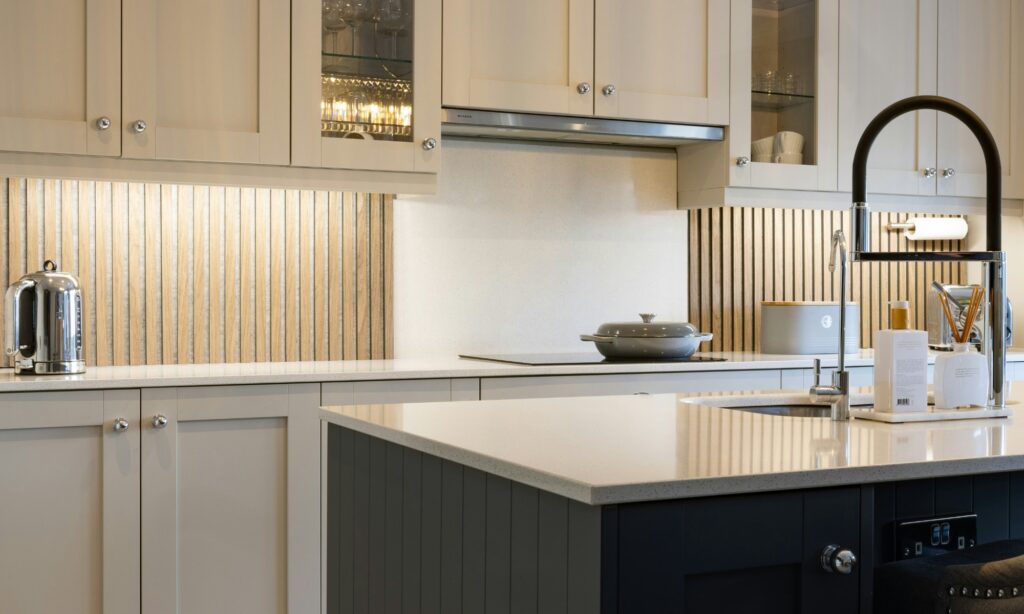
Planning cabinet buying guide in Georgia? Cabinets are often the largest single purchase in a kitchen or bathroom remodel, and they shape how the room looks and works for decades. Understanding the difference between stock, semi-custom and custom options helps you choose where to spend.
This guide explains the categories, construction details and ordering steps without quoting prices, which vary by product and market.
In this guide
Stock cabinets
Typically, stock cabinets come in standard sizes and a limited set of finishes and are often available quickly. They suit simple layouts and tighter budgets, but filler strips are needed where sizes do not fit exactly.
Semi-custom cabinets
Semi-custom lines offer more sizes, finishes and accessories, with modifications such as different depths or heights. They provide flexibility and a tailored look with moderate lead times.
Custom cabinets
Custom cabinets are built to your dimensions and specifications by a cabinet shop. They fit unusual spaces, allow unlimited finishes and details and usually take longer.
Construction quality
Look at box material, such as plywood versus particleboard, drawer construction, joinery, hinges and slides. Soft-close hardware and full-extension drawers improve daily use.
Door styles and finishes
Shaker, flat panel and raised panel are common styles. Painted finishes show wear differently from stained wood. Ask to see samples and how finishes hold up to moisture and cleaning.
Layout and function
Good cabinets depend on a good layout. Plan drawers for pots, tall pantries, trash pull-outs and corner solutions. Draw each wall with dimensions before ordering.
Measuring and installation
Accurate measurements are essential. Ask your contractor to verify dimensions on site, check walls for level and plan for filler and trim. Installation quality affects doors, drawers and countertop fit.
Lead times
Cabinet delivery can take weeks to months depending on the line. Order early, confirm delivery dates and inspect boxes on arrival before demolition proceeds too far.
Hardware and accessories
Pulls, knobs, organizers, lighting and trim pieces add function and polish. Budget for them from the start because they are easy to overlook.
Warranty and service
Ask about warranties on boxes, finishes and hardware and how replacement parts are handled. Keep order paperwork and model information.
Making the choice
Choose based on layout, durability and your timeline. Spend on the elements you touch every day, such as drawers and hardware, and economize where it will not be noticed.
Planning essentials for any remodeling project
Whatever you are building, a handful of habits keep projects on track. Define your goals and rank them as must-have, nice-to-have and later. Set a budget that includes a contingency for hidden conditions, because walls often reveal surprises. Gather two or three itemized estimates for the same scope so differences are easy to see, and compare what is included rather than only the total.
Make selections early
Cabinets, windows, tile, flooring and fixtures can have long lead times. Choosing them before construction starts keeps trades from waiting and prevents rushed compromises. Keep a simple list with product names, colors, model numbers and delivery dates, and share it with your contractor so everyone works from the same information.
Communicate in writing
Agree on how you will receive updates and how changes will be handled. When scope changes, ask for a written change order that states the cost and schedule effect before work proceeds. Keep photos of the work before walls close so you know where wiring and plumbing run, and store contracts, permits, warranties and product information together for future reference.
Prepare your household
Remodeling brings dust, noise and limited access to rooms. Set up temporary arrangements for cooking or bathing if needed, protect belongings, plan for pets and children and agree on working hours and daily cleanup. A little preparation before demolition makes the weeks that follow easier for everyone in the house.
Finish with a walkthrough
As the project ends, walk each room with your contractor in good light. Note anything incomplete or not as specified and agree on a punch list with dates. Hold final payment until the list is complete and you have warranties and care instructions in hand.
How a project with Juniper & Forge works
Every project starts with a free in-home estimate. We walk through the space, listen to what is not working and look at structure, systems and finishes. We then outline scope options, explain the main cost drivers and describe the steps that follow. After you review a written, itemized estimate, we handle permits, order long-lead materials, schedule trades and keep you updated through construction. A final walkthrough and punch list close the project. Our process page describes each stage.
Common mistakes to avoid
The most frequent problems are choosing on price alone, skipping the contingency, changing the scope after work begins, leaving selections until the last minute and assuming allowances will cover premium finishes. Another is failing to ask how the schedule handles inspections and deliveries. Awareness of these pitfalls makes them easy to avoid, and a clear written scope removes most of the risk.
What to bring to your estimate
Photos of the space, a list of problems you want solved, any inspiration images, plans or HOA documents you have and your target timeline and budget range. If you already have other estimates, bring them and we will help you compare scope line by line. This preparation takes a few minutes and makes the visit much more useful.
Care, warranty and records after the project
When the work is finished, ask for care instructions for every surface and product, the names and colors of finishes for future touch-ups and the warranty terms for materials and workmanship. Keep contracts, change orders, permits, inspection records and photos together with your home documents. Schedule seasonal checks, such as cleaning gutters, inspecting caulk and sealants and testing alarms, so small issues are fixed before they grow. Good records also make future projects and resale simpler.
Choosing the right contractor
Look for clear written scopes, appropriate insurance, references you can contact and a willingness to explain tradeoffs honestly. Compare bids on the same scope, ask who will be on site and confirm how changes and delays are handled. Our guide to choosing a remodeling contractor lists more questions worth asking before you sign.
Budgeting by zone
Spend most on the cabinets you open daily: drawer banks near the stove, the pantry and the trash pull-out. Use simpler options for upper cabinets or rarely used areas, and keep finishes consistent so the room feels unified.
Showroom visits and samples
Visit a showroom, open drawers, test hinges and compare door samples under your lighting. Ask for a full written quote that lists every cabinet, filler, panel and accessory so you can compare lines fairly.
Cabinet interiors
Look inside: finished interiors, adjustable shelves, quality drawer boxes and soft-close slides signal care in construction and make daily use easier.
Final thought
Match the cabinet type to your layout, timeline and priorities, and verify measurements twice before anything is ordered.
Countertops and cabinet coordination
Order or template countertops only after cabinets are installed and measured. Overhangs, sink cutouts and appliance sizes should be confirmed so the stone or surface fits perfectly. Coordinate faucet and cooktop specifications with the cabinet maker.
Painted vs stained finishes
Painted cabinets give a clean look but may show chips at edges, while stained wood hides wear and highlights grain. Ask about the finish process and how touch-ups are handled.
Questions to ask before you hire for cabinet buying guide
- What exactly is included in the written scope, and what is excluded?
- Which items are allowances, and what happens if my choices cost more?
- Who pulls permits and schedules inspections?
- How will changes be priced and approved in writing?
- Who supervises the work day to day, and how will you update me?
- What warranty applies to workmanship and to materials?
How cost and schedule are shaped
Cost for cabinet buying guide depends on scope, size, materials, the complexity of the work and the condition of the existing home. Hidden conditions such as old wiring, moisture damage or framing surprises can change a budget, so a contingency is wise. Schedule depends on design time, permit review, material lead times and weather for exterior work. Ask for itemized pricing and a written schedule, and read our cost guide and timeline guide for the main drivers.
Permits and approvals
Many remodeling projects need permits and some neighborhoods require homeowners association approval. Requirements vary by city and county, so confirm what applies to your address before work starts. Our permits guide explains the basics for Acworth and Cobb County.
Frequently asked questions
Is custom always better?
Not always; it fits unusual spaces but costs more and takes longer.
What is plywood vs particleboard?
Plywood tends to resist moisture and hold fasteners better; ask about both.
How long do cabinets last?
Quality cabinets with proper care last for decades.
Related pages
Request an estimate
Request a free in-home estimate or call (470) 847-9076. We will review your home, listen to your goals and explain options and next steps.
Ready to plan your project?
Free in-home estimate — call (470) 847-9076, or send a request online.
Request an estimateCall (470) 847-9076