Moisture and Mold Found During a Remodel
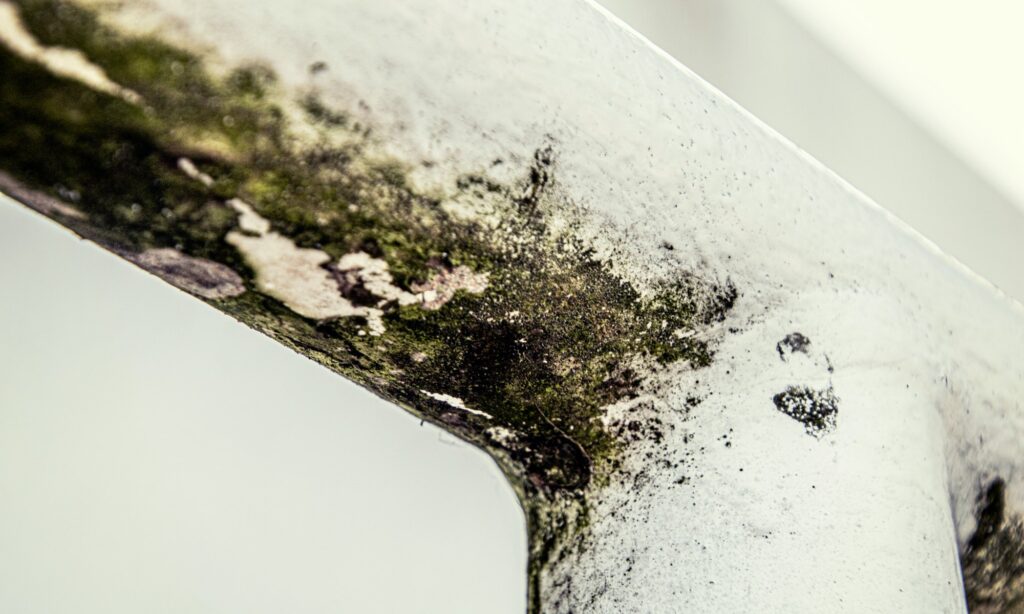
Planning mold found during remodel in Georgia? Opening a wall sometimes reveals water damage, rot or mold that no one knew about. It is stressful, but it is also an opportunity to fix a hidden problem properly before closing the wall.
This guide explains common causes, how professionals respond and how it affects your schedule and budget. It is general information, not a diagnosis.
In this guide
Why moisture hides in walls
Leaking pipes, failed flashing, window leaks, poor drainage and condensation can wet framing for years. In Georgia’s humid climate, trapped moisture encourages mold and decay.
What it looks like
Signs include stains, soft or discolored wood, musty odor, peeling paint, warped flooring and visible fuzzy growth. Some damage is only visible once drywall or flooring is removed.
Stop the source first
Cleaning or replacing material is pointless if the water source continues. Find and fix leaks, improve drainage, repair flashing or adjust ventilation before restoring finishes.
Assessment and testing
Depending on the extent, a contractor may recommend a moisture meter survey or a qualified inspector or environmental professional. Large areas of growth may need specialized remediation.
Containment and safety
Work areas are sealed, air is filtered and workers use protective gear. Do not disturb suspected mold yourself, especially if anyone in the household has respiratory sensitivities.
Removal and drying
Damaged drywall and insulation are removed, framing is dried and treated or replaced if structurally compromised. Materials must be dry before closing the wall.
Cost and schedule effects
Hidden damage adds unplanned work. A good contract explains how discoveries are priced through change orders, and your contractor should photograph the condition and explain options.
Insurance questions
Whether insurance covers damage depends on cause and policy terms. Document everything with photographs and notes and speak with your carrier before work if you plan to file a claim.
Prevention going forward
Use proper ventilation, flashing, drainage and moisture-resistant materials in bathrooms, basements and exteriors. Keep gutters working and humidity under control.
Basements and crawl spaces
These areas collect moisture easily. Grading, sump systems, vapor barriers and dehumidification may be part of the solution.
Communicate with your contractor
Ask for photos, a written explanation and a clear price before proceeding. You should understand the problem and the fix.
Planning essentials for any remodeling project
Whatever you are building, a handful of habits keep projects on track. Define your goals and rank them as must-have, nice-to-have and later. Set a budget that includes a contingency for hidden conditions, because walls often reveal surprises. Gather two or three itemized estimates for the same scope so differences are easy to see, and compare what is included rather than only the total.
Make selections early
Cabinets, windows, tile, flooring and fixtures can have long lead times. Choosing them before construction starts keeps trades from waiting and prevents rushed compromises. Keep a simple list with product names, colors, model numbers and delivery dates, and share it with your contractor so everyone works from the same information.
Communicate in writing
Agree on how you will receive updates and how changes will be handled. When scope changes, ask for a written change order that states the cost and schedule effect before work proceeds. Keep photos of the work before walls close so you know where wiring and plumbing run, and store contracts, permits, warranties and product information together for future reference.
Prepare your household
Remodeling brings dust, noise and limited access to rooms. Set up temporary arrangements for cooking or bathing if needed, protect belongings, plan for pets and children and agree on working hours and daily cleanup. A little preparation before demolition makes the weeks that follow easier for everyone in the house.
Finish with a walkthrough
As the project ends, walk each room with your contractor in good light. Note anything incomplete or not as specified and agree on a punch list with dates. Hold final payment until the list is complete and you have warranties and care instructions in hand.
How a project with Juniper & Forge works
Every project starts with a free in-home estimate. We walk through the space, listen to what is not working and look at structure, systems and finishes. We then outline scope options, explain the main cost drivers and describe the steps that follow. After you review a written, itemized estimate, we handle permits, order long-lead materials, schedule trades and keep you updated through construction. A final walkthrough and punch list close the project. Our process page describes each stage.
Common mistakes to avoid
The most frequent problems are choosing on price alone, skipping the contingency, changing the scope after work begins, leaving selections until the last minute and assuming allowances will cover premium finishes. Another is failing to ask how the schedule handles inspections and deliveries. Awareness of these pitfalls makes them easy to avoid, and a clear written scope removes most of the risk.
What to bring to your estimate
Photos of the space, a list of problems you want solved, any inspiration images, plans or HOA documents you have and your target timeline and budget range. If you already have other estimates, bring them and we will help you compare scope line by line. This preparation takes a few minutes and makes the visit much more useful.
Care, warranty and records after the project
When the work is finished, ask for care instructions for every surface and product, the names and colors of finishes for future touch-ups and the warranty terms for materials and workmanship. Keep contracts, change orders, permits, inspection records and photos together with your home documents. Schedule seasonal checks, such as cleaning gutters, inspecting caulk and sealants and testing alarms, so small issues are fixed before they grow. Good records also make future projects and resale simpler.
Choosing the right contractor
Look for clear written scopes, appropriate insurance, references you can contact and a willingness to explain tradeoffs honestly. Compare bids on the same scope, ask who will be on site and confirm how changes and delays are handled. Our guide to choosing a remodeling contractor lists more questions worth asking before you sign.
Questions to ask your contractor
Ask what caused the moisture, whether the source is fixed, what material will be removed, how the area will be dried and what the schedule and price change will be. Request photographs before the wall is closed.
Materials that resist moisture
Cement board, moisture-resistant drywall, treated lumber, closed-cell foam in some assemblies and proper flashing reduce future risk. Choose materials appropriate to each location.
Humidity control
Run bath fans, use dehumidification in damp areas and keep indoor humidity in a comfortable range. Proper ventilation is as important as materials.
Final thought
Finding moisture is unwelcome, but repairing it before closing walls protects your home and your investment.
Keeping records
Save photos, moisture readings, invoices and any inspector or environmental reports. They help with insurance, warranties and a future sale.
Cleaning up after repairs
After removal and drying, ask for a final check that the area is dry and clear before insulation and drywall are installed. A short verification step prevents problems from being sealed in.
When to call a specialist
If growth covers a large area, if anyone in the household has health concerns or if the source is unclear, a qualified inspector or remediation company can assess the situation and provide a plan.
One more precaution
Keep water-damaged materials out of living areas and out of HVAC returns while work is underway.
Questions to ask before you hire for mold found during remodel
- What exactly is included in the written scope, and what is excluded?
- Which items are allowances, and what happens if my choices cost more?
- Who pulls permits and schedules inspections?
- How will changes be priced and approved in writing?
- Who supervises the work day to day, and how will you update me?
- What warranty applies to workmanship and to materials?
How cost and schedule are shaped
Cost for mold found during remodel depends on scope, size, materials, the complexity of the work and the condition of the existing home. Hidden conditions such as old wiring, moisture damage or framing surprises can change a budget, so a contingency is wise. Schedule depends on design time, permit review, material lead times and weather for exterior work. Ask for itemized pricing and a written schedule, and read our cost guide and timeline guide for the main drivers.
Permits and approvals
Many remodeling projects need permits and some neighborhoods require homeowners association approval. Requirements vary by city and county, so confirm what applies to your address before work starts. Our permits guide explains the basics for Acworth and Cobb County.
Frequently asked questions
Does every old house have hidden mold?
No, but hidden moisture is a common surprise.
Can I keep working while mold is present?
Address the source and contain the area before proceeding.
Will it delay my project?
Often by days or weeks depending on extent.
Related pages
Request an estimate
Request a free in-home estimate or call (470) 847-9076. We will review your home, listen to your goals and explain options and next steps.
Ready to plan your project?
Free in-home estimate — call (470) 847-9076, or send a request online.
Request an estimateCall (470) 847-9076